
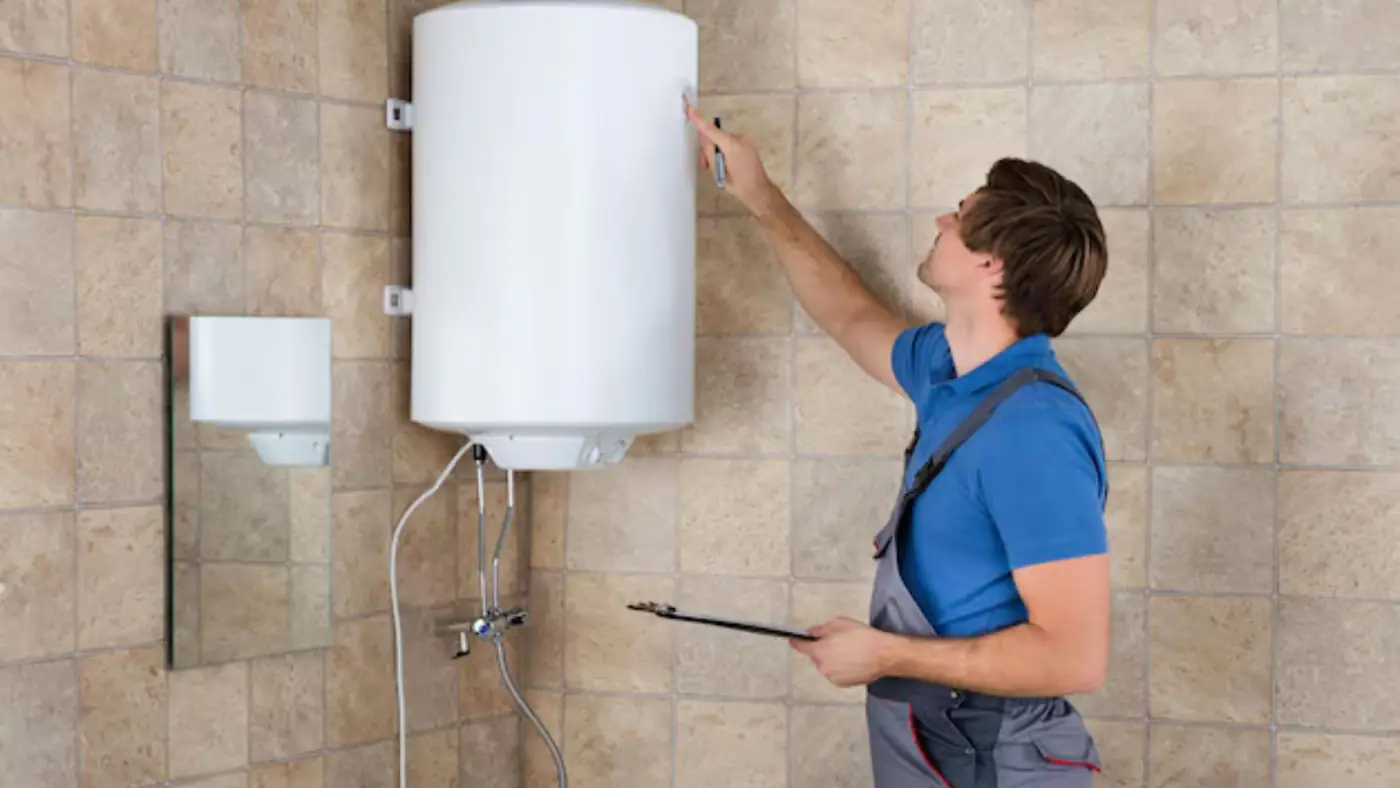
A good install matters as much as a good heater
A water heater that is sized, vented and connected properly runs quietly for years. One that is not can leak, trip safety devices or fail early. Most problems with new heaters trace back to installation, not the unit.
This page is for planned work. If your tank is leaking now, see emergency water heater replacement.
Standard tank or hybrid heat pump
Heat pump water heaters have become more common. They suit some homes better than others.
Standard tank
- Lower upfront price
- Fits most closets and garages
- Familiar repairs and parts
- Gas or electric
Hybrid heat pump
- Uses less electricity to heat water
- Needs space and air flow around the unit
- Needs a condensate drain
- May have utility rebates, check yours
How an installation is planned
- 1
Site check
We look at the location, venting, gas or electrical supply, drain and clearances.
- 2
Choose the unit
We help you pick a size and type for your household.
- 3
Permit and schedule
We handle permit steps and set a day that works for you.
- 4
Install and test
We connect, strap, vent, fill, test and show you the controls.
Planning an install?
Call and tell us what you have in mind. We will schedule a site visit.
What a code-compliant install includes
- A shutoff valve on the cold supply
- A temperature and pressure relief valve with a proper discharge pipe
- Seismic strapping to the wall
- An expansion tank where the plumbing requires one
- Correct venting for gas units
- A drain pan or drain line where needed
What affects the price of an install
Sizing and efficiency choices
A tank is rated by capacity and by how quickly it recovers. A household with many showers close together needs a larger tank or a faster recovery rate. A household that uses little hot water may be well served by a smaller unit, which saves space and energy.
Look at the efficiency rating on the label and the warranty length, and ask us which models we trust. A slightly higher price for a better unit often pays back over the life of the heater.
Before we install
- Clear the area around the old heater
- Tell us about any past leaks or venting problems
- Decide on the unit type and capacity
- Confirm gas service or the electrical circuit
- Plan for hot water to be off for part of the day
- Keep pets and children away from the work area
What Bothell homeowners should know
The City of Bothell Permit Center says replacing a water heater requires a permit. The Bothell Municipal Code lists some plumbing work as exempt, but exemptions do not authorize code violations.
If you are thinking about doing the job yourself, the answer depends on permit and licensing rules that vary. Ask the Bothell Permit Center and the state Department of Labor and Industries first. For a hybrid install, make sure there is space for air flow and a place for the condensate to drain.
Installations follow the Uniform Plumbing Code (UPC) as adopted in Washington under WAC 51-56, and the permit inspection checks it.
Water heater installation questions
Installs are usually scheduled, and same-day appointments are available when we have openings. If your heater has failed, call (425) 845-0257 any hour and we will treat it as an emergency.
A straightforward swap in the same spot is usually done in a visit. New locations, new venting or fuel changes take longer.
Replacing a water heater in Bothell requires one per the City Permit Center. We tell you what applies and handle the steps.
It suits homes with space, good air flow and a drain. We check your site before recommending it.
We remove it and haul it away.
Often yes, but it affects venting, supply lines and drains. We assess it during the site visit. For tankless, see tankless service.